


MEXICO CITY WALKABOUT

Mexico City is a sprawling metropolis with many districts. With our ToursByLocals guide, Jose Luis, we focused on art (mainly murals) and architecture, at least as much as could be covered in 6 hours. We also did our own exploring with the hopes of getting into some art galleries, but we quickly discovered that while coming to Mexico City the week before Easter is great because many folks have left town, so the streets are not quite as crowded, but included in the exodus are the owners of the art galleries, so almost all of them were closed. Oh well...an excuse to come back again!
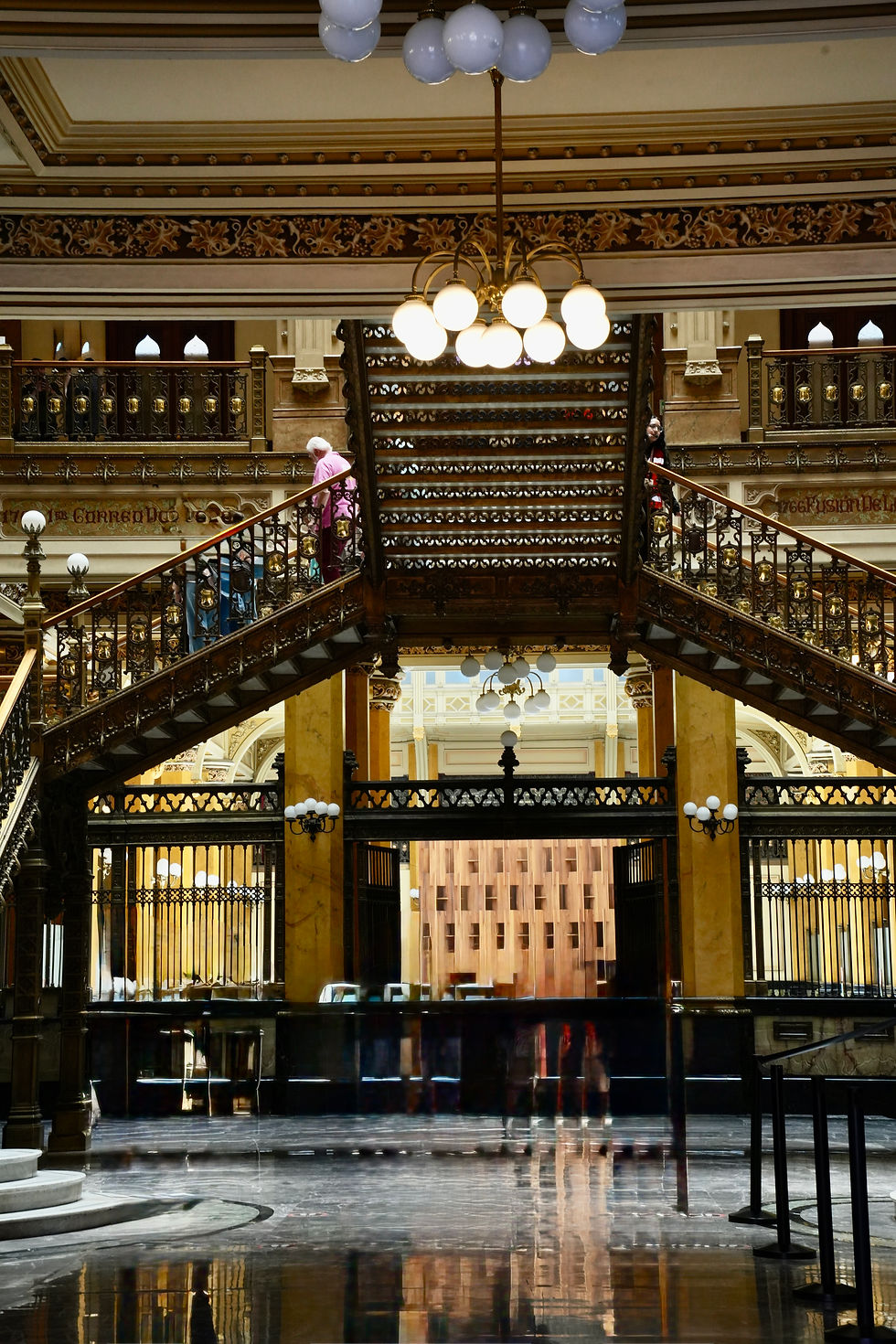
The Palacio Postal also known as the Palacio de Correos de Mexico is historically significant as a symbol of early 20th-century modernization and national unity. Inaugurated in 1907 by President Porfirio Díaz, it was built as Mexico’s first dedicated government agency designed to reliably connect citizens across the country through a unified postal system.
Designed by Italian architect Adamo Boari (who also designed the nearby Palace of Fine Arts ), the building is a stunning, eclectic blend of architectural traditions. It features elements of Spanish Plateresque, Venetian, Moorish, Gothic Revival, and Neoclassical styles.



The Metropolitan Cathedral is the Catholic Archdiocese of Mexico. It is situated on top of the former Aztec sacred precinct near the Templo Mayor on the northern side of the Plaza de la Constitución in the historic center of Mexico City. The conquistadors decided to build a church on the site of the Templo Mayor of the Aztec City of Tenochtitlan in order to consolidate Spanish power over the newly conquered territory. The remains of the temple is now an archeological site and there is a museum (which we did not visit), if you want to see some of the salvaged artifacts.


The Metropolitan Cathedral was built in sections from 1573 to 1813. around the original church that was constructed soon after the Spanish conquest of Tenochtitlan, eventually replacing it entirely. The long construction time also led to the integration of a number of architectural styles in its design, including the Gothic, Baroque, Churrigueresque, Neoclassical styles, as they came into vogue over the centuries.


The Altar of Forgiveness is located at the front of the central nave. It is the first aspect of the interior that is seen upon entering the cathedral.

In New Spain, it was customary to dedicate the main chapel of any Spanish cathedral to the ruling king, giving it the greatest importance and artistic wealth. The altar is in the style of Mexican Baroque or Churrigueresque.


Situated to the right of the main cathedral is the Metropolitan Tabernacle built during the height of the Baroque period between 1749 and 1760 to house the archives and vestments of the archbishop.

We were visiting Mexico City the week before Easter. Catholic churches cover statues and crucifixes with purple cloths during the last two weeks of Lent (known as Passiontide) to minimize visual distractions, build a sense of anticipation for Easter, and create a physical experience of "spiritual fasting" that invites the faithful to focus deeply on Christ's sacrifice.
Mexico City is huge and diverse. There are the usual gleaming glass and steel towers juxtaposed to historic more genteel buildings.


Hard to resist a good butt shot when it presents itself!!!

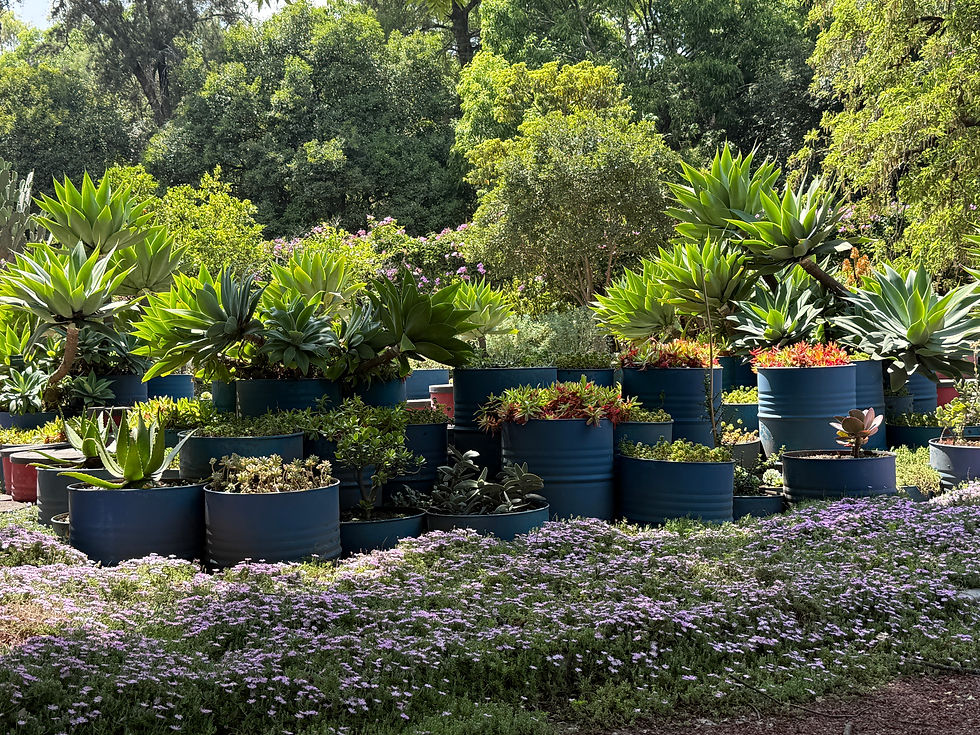
Lots of gardens and green spaces.
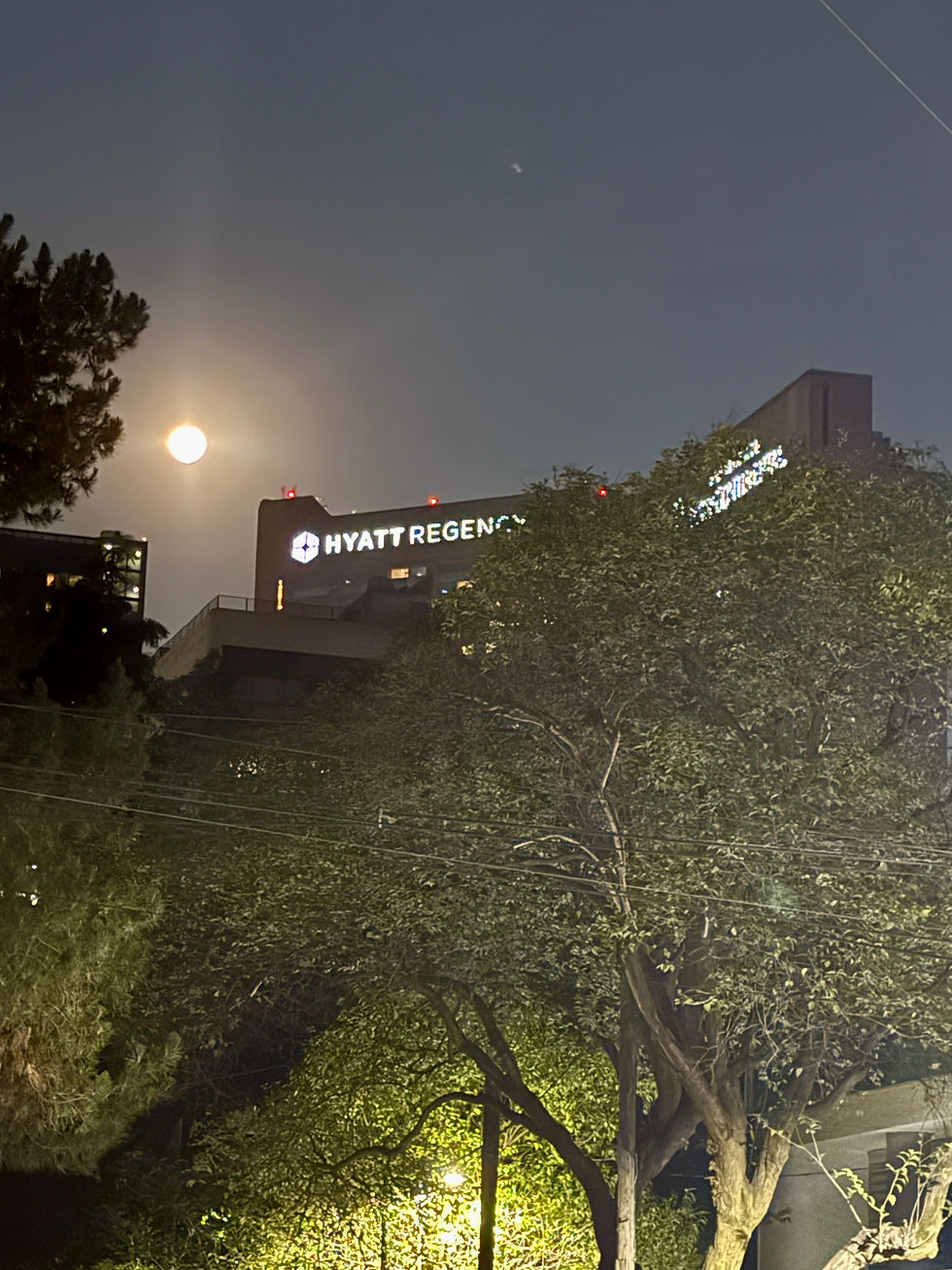
And last but not least, our home for four days was the Hyatt Regency Polanco. The hotel was all that you would expect for a Hyatt; large, clean, well appointed rooms, accomodating staff and a location that worked well for us in the Polanco section of Mexico City. We always felt safe.There is a very noticeable police presence. Polanco has great restaurants (see my Mexcio City Food Scene post) and shopping. We would definitely stay here again.


Comments